
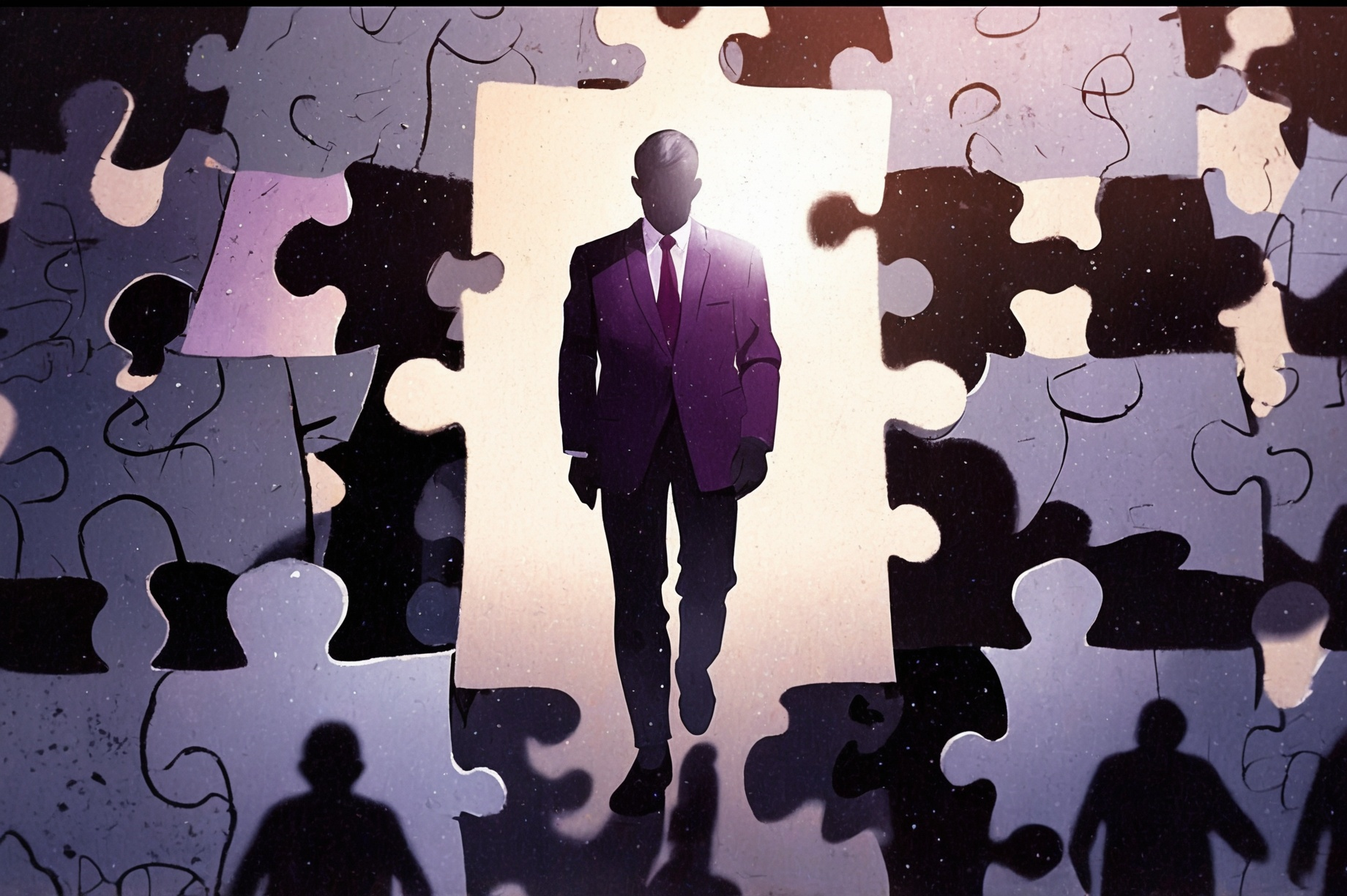

In my first week at a new job, after leaving an organization I still cherish – DP World – one of my dear friends, an international recruiter in the shipping industry, reacted when I enthusiastically shared the name of my new employer:
“Wow…. really?”.
Why? I asked, my heart sinking as I waited for the answer, hoping I hadn’t just made a big mistake.
“They’re known for their very tough culture Muriel”.
I wasn’t sure what he meant by tough culture at the time. I quickly blocked it out – along with his over 35 years of experience – wanting to hold on to my excitement long enough to approach the role positively and apply myself fully.
I stayed in that job for around 5 years. Like many companies it had the good, the bad and the ugly. My dear friend was right of course. The good was the people. The bad and ugly were the culture, which was far tougher than most.
When I decided to leave, I started interviewing, including with a large global organization. I was interviewed by their Head of HR. When I later asked why I wasn’t selected, the recruiter told me the hiring manager thought I was too soft.
“Too soft!!!!”.
There was no clarification as to how that judgement had been made. What stayed with me was that it came from another woman.
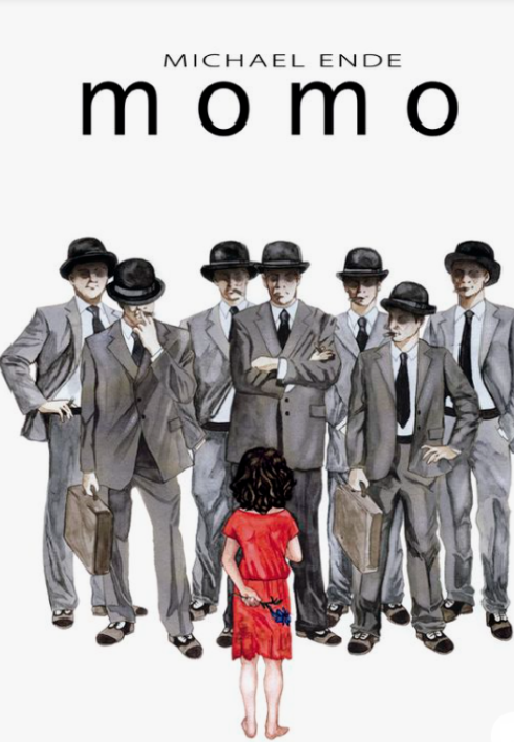
It reminded me of the cover of Momo by Michael Ende, which I received on my 13th birthday – The little girl in color, the men in grey suits in the background.
Often, men and women with outstanding performance are overlooked for promotion because they’re “not corporate enough” – a comment a CEO once made about a high-performing male senior colleague in that same organization.
Anything to the contrary can be career-limiting.
Women are often required to demonstrate strength and toughness, qualities that are frequently confused with dominance. Many learn early to endorse that confusion, or to act against their nature, in order to be allowed access through the golden gates of economic contribution.
It is not that nothing has changed. Much has. But the quesion is how much and whether it has been enough.
At times, approval is still required: from families, from institutions, from cultures that decide what is acceptable before deciding what is valuable. The price of belonging can be conformity; the cost of refulsal, exclusion.
I was fortunate to have role models – mentors, teachers, and a mother who chose to be a journalist at the age of twenty three. Yet I learned to adopt traits opposed to my nature, choosing pragmatism in order not to have to constantly explain the difference between soft and soft-spoken.
A dear friend of mine, refused to allow her identity to dissolve that way. She believes that strength comes from being a peaceful warrior, from expressing oneself without fear. An architect and designer, she believes imagination is not an indulgence but a responsibility – a way of leaving a meaningful mark.
It may seem that the only choice available to us is between different kinds of chains. But there is another option, one that often feels invisible.
Choosing none.
